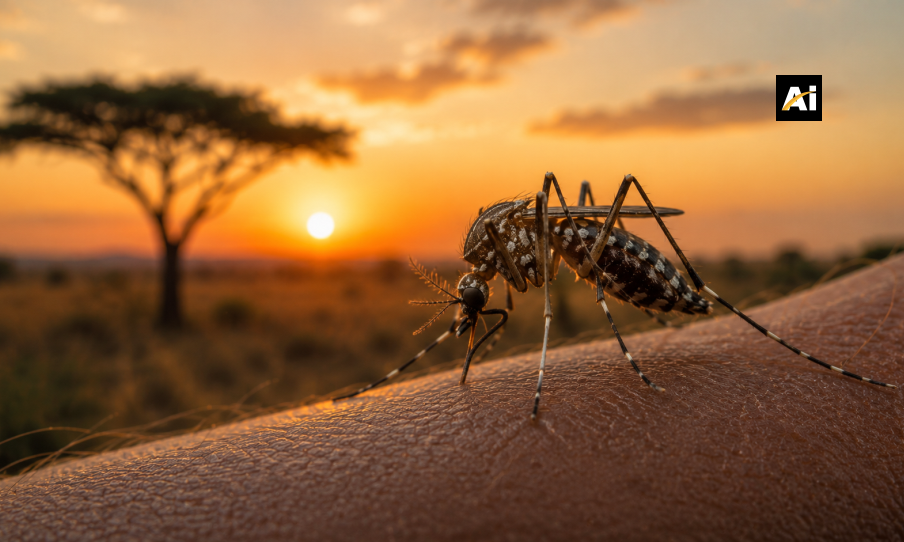
Right now, fighting the African mosquito takes up much of what global health efforts are about. Daily life in parts of sub-Saharan Africa bends around this small creature – shaping work, movement, time outdoors. To follow where tropical diseases stand, you need to know how these mosquitoes live, feed, reproduce. Years have seen large sums spent trying to figure out their survival tricks, weak spots, spread methods. With weather changing and cities growing, people face new shifts in when and where they meet these bugs. Stopping harm means fresh thinking, close watching, adapting faster than before.
Habitat and Behavior of the Vector
What makes this bug so tough? Look at where it lives across Africa. Not every pest needs lakes or rivers – some drop eggs into a tiny pool formed by a footstep in wet dirt. Heat and damp air blanket the region, acting like a heater that speeds up hatching without pause. When daylight burns strong, these mosquitoes hide indoors, tucked away in shadowed spots near ceilings or under furniture. They wait until evening, then come out just as humans slow down. Being near houses means feeding happens easily, anytime. Survival ties directly to how closely they stick to us.
The Medical Implications of Local Infestations
The true danger associated with the African mosquito does not stem from its bite alone, but rather from the microscopic pathogens it carries from person to person. When a female African mosquito feeds, she injects saliva containing anticoagulants into the host, inadvertently transferring parasites or viruses directly into the human bloodstream. This mechanism makes the African mosquito the primary driver for debilitating illnesses that strain regional medical centers and impact millions of families annually. Young children and pregnant women frequently face the highest risks, as their immune systems are either developing or altered, making recovery much more difficult. Consequently, local clinics must remain fully stocked with diagnostic tests and targeted therapies to counteract the steady influx of patients during peak rainy seasons.
Innovations in Eradication and Protective Measures
Controlling the population of the African mosquito has required a massive shift from traditional methods to cutting-edge science. For generations, communities relied heavily on basic indoor spraying and insecticide-treated bed nets to keep the insects at bay while families slept. While these foundational tools saved millions of lives, the African mosquito gradually developed genetic resistance to common chemical repellents, forcing researchers to think outside the box. Today, scientists are deployed across various field sites utilizing genetic modification techniques, such as releasing sterile male insects to naturally crash local populations. These advanced biological interventions aim to suppress the African mosquito without relying on heavy chemical applications that could inadvertently harm local agricultural ecosystems or beneficial wildlife.
The Long Journey Toward a Malaria Free Future
Achieving permanent relief from the burdens imposed by the African mosquito requires international cooperation, sustained funding, and grassroots community engagement. Every successful campaign relies heavily on education, teaching families how to eliminate standing water around their properties so the African mosquito has fewer places to breed. Additionally, the rollouts of new vaccines targeting the parasites transmitted by these insects offer a historic glimmer of hope for vulnerable communities. As global health networks refine their distribution strategies in 2026, combining immunization with active suppression of the African mosquito brings the world closer to eliminating these historic health threats entirely. Through perseverance, scientific breakthrough, and community empowerment, the historical dominance of this tiny vector is slowly but surely being dismantled.