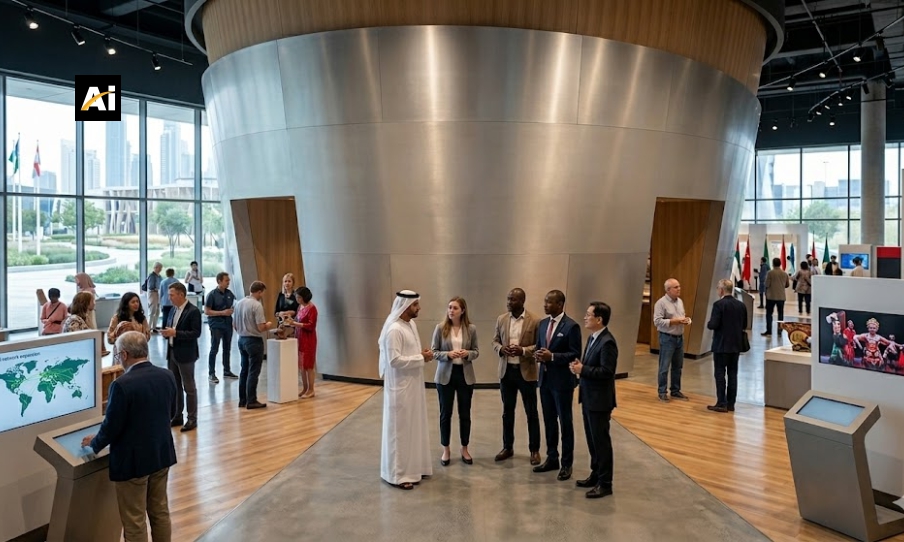
Strength on today’s world stage isn’t just about armies or money anymore. Now, subtle forces – like stories, music, and shared beliefs – shape how countries relate. Ideas flow across borders, building trust where force cannot reach. This quiet connection, called cultural diplomacy, helps people see beyond their own borders. Yet rising divisions online are changing how these exchanges work. What once unfolded slowly now moves at screen speed, reshaped by algorithms and outrage. What happens when culture becomes diplomacy? Heritage and imagination step in where politics stalls, offering connection through feeling instead of policy. Not because it’s trendy, but because stories and art reach places treaties cannot. When governments struggle to agree, people still recognize each other through music, food, dance. This kind of exchange runs on familiarity, built slowly, without announcements. Trust grows quietly – through films seen, books read, traditions witnessed. Official statements fade fast; a song remembered lasts longer.
The Changing Role of Soft Power in a World with Many Centers of Influence
Out here, big countries once pushed their culture far and wide like it was their job. Back then, governments sent musicians across oceans, filled theaters abroad with homegrown films. These days? Not so top-down. Smaller places – nations you might overlook, cities with bold ideas – are stepping up, leaning into what makes them different. Power moves quieter now, truth be told. A village dance or street food recipe might echo louder than polished ads crafted by giants. Nowhere is change clearer than in how nations share who they are – South Korea’s music waves meet Thailand’s food trails. Not long ago, influence flowed mostly one way; now it twists and turns like threads in a tangled weave. A song, a dish, a gesture – they echo beyond borders, reshaping what others think a country stands for. These moments do not just inform. They transform. Identity today bends under shared rhythms, borrowed flavors, mutual curiosity. What counts is no longer origin, but connection. The world watches differently because voices once distant speak louder, mix deeper, stay longer.
Ethical Dilemmas and the Challenge of Appropriation
Despite its idealistic goals, the field is riddled with significant hurdles that complicate international relations. One of the most pressing issues involves the fine line between appreciation and appropriation. When a state utilizes the cultural markers of its indigenous populations or minority groups for international branding without providing those communities with agency or compensation, it creates a form of “cultural window-dressing.” This leads to a scenario where cultural diplomacy: issues and perspectives are viewed through a lens of skepticism by the very people whose heritage is being showcased. Furthermore, there is the persistent risk of “artwashing,” where governments may use high-profile festivals or museum openings to distract the international community from domestic human rights concerns or political instability. These ethical complexities demand a more transparent and inclusive approach to how cultural assets are deployed, ensuring that the practice serves as a genuine tool for connection rather than a mask for geopolitical maneuvering.
Digital Frontiers and the Speed of Information
The rise of the digital age has fundamentally altered the tempo and reach of cultural initiatives. Social media platforms and streaming services have bypassed traditional gatekeepers, allowing for direct peer-to-peer diplomacy that operates independently of government oversight. While this provides an unprecedented opportunity for grassroots connectivity, it also presents a new set of problems. The rapid spread of misinformation and the echo chambers of the internet can easily distort cultural narratives, leading to misunderstandings rather than the intended harmony. From this vantage point, the digital landscape is a double-edged sword. It offers a platform for marginalized voices to be heard globally, yet it also subjects cultural exchange to the whims of algorithms and viral outrage. Navigating these digital waters requires a strategic shift in how states manage their “brand,” moving away from top-down messaging toward a more interactive and responsive form of engagement that can withstand the scrutiny of a global, online audience.
Finding a Path Toward Genuine Global Symbiosis
As we look toward the future, the effectiveness of these programs will depend on their ability to move beyond superficial displays of “national flavor.” The most successful examples of cultural diplomacy: issues and perspectives today are those that emphasize collaboration over competition. Joint archaeological projects, international artist residencies, and collaborative scientific endeavors represent a more sustainable model of engagement. By focusing on shared challenges—such as climate change or the preservation of endangered languages—nations can use culture as a foundation for practical cooperation. This approach moves the conversation away from “us versus them” and toward a collective “we,” acknowledging that in an interconnected world, the health of one culture is often tied to the vitality of another. Authenticity remains the most valuable currency in this exchange; without it, diplomacy is merely propaganda.
Reflections on a Connected Future
The pursuit of harmony through cultural means is an ongoing journey rather than a final destination. While the obstacles are numerous—ranging from political exploitation to the digital divide—the potential for meaningful change remains vast. By acknowledging the inherent power imbalances and ethical responsibilities involved, practitioners can ensure that their efforts lead to lasting peace rather than temporary optics. The future of this field lies in the hands of those who view culture not as a weapon of influence, but as a shared heritage that belongs to all of humanity. As we navigate the complexities of the twenty-first century, the ability to listen may prove to be the most powerful diplomatic tool of all, turning historical grievances into opportunities for a more unified global narrative.