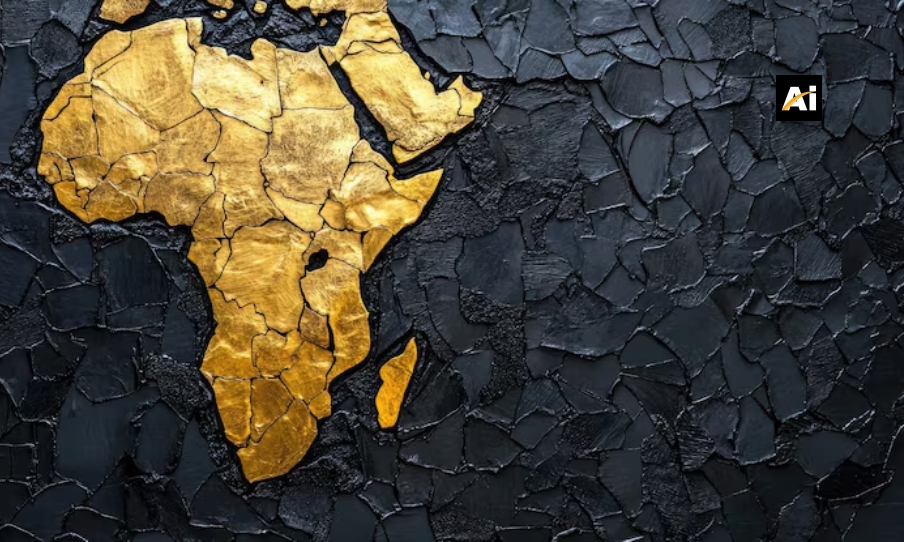
Long before clocks measured time, golden light pulled tribes toward rivers where dust clung to their hands. Not just digging holes – whole cities rose on what came from beneath cracked soil. One man once carried so much it bent trade routes out of shape across deserts. Later, machines growled under African skies, chewing rock in places like Witwatersrand. That same dirt still feeds economies today, though few see who shapes its worth. Artisans long carved meaning into thin sheets while kings wore power on their skin. Value never sat only in weight – it lived in rhythm, belief, movement. Even now, when markets twitch far away, villages feel tremors through old ground. The story hides less in vaults and more in how people held onto craft amid chaos. Pride mixes with pain each time another bar gets stamped for foreign ledgers. What glows isn’t only metal, but memory pressed into every ounce mined by many unnamed.
The Golden Roots of Old Kingdoms
Before maps had today’s lines, chasing African gold built powerful kingdoms unlike any seen before. West Africa saw the Empire of Ghana grow so rich it earned the nickname “Land of Gold” among writers of that time. After came Mali, where leader Mansa Musa gave away such huge amounts of gold on his journey to Mecca that prices in Cairo shifted for years. These states did more than pull riches from the ground – they ran wide trading paths across the Sahara linking inland regions to markets near the Mediterranean and beyond. Gold moved out while salt, cloth, and learning flowed in, showing how deeply Africa shaped world exchange centuries ahead of European exploration.
South of the Sahara, Mapungubwe rose before Great Zimbabwe, both wielding gold with quiet authority. Fragments of thin golden rhinos appear in dust-filled dig sites, next to detailed ornaments hinting at skilled hands. Power wore this metal like a second skin, linking rule to something greater than mere control. Long before outside accounts twisted perception, local rule already shaped value through craft and command. Gold here did not wait for foreign approval – it spoke on its own terms, rooted and sure.
Artistic Expression and the Craft of Kings
Beyond its value as a medium of exchange, the metal served as a canvas for incredible artistic innovation. The Asante people of modern-day Ghana developed a complex system of “goldweights”—small brass or bronze sculptures used to measure gold dust—that depicted everything from proverbs to animals. However, it was the regalia of the kings that truly showcased the mastery of the craft. Elaborate soul-washer disks, heavy necklaces, and ceremonial swords adorned with african gold were not just displays of vanity; they were spiritual objects intended to capture the essence of the sun and the vitality of the state.
This artistic tradition continues to influence modern aesthetics. Contemporary African jewelers often draw inspiration from these ancient geometric patterns and smithing techniques, blending traditional symbolism with avant-garde designs. The presence of african gold in cultural ceremonies today, from weddings to royal festivals, serves as a living link to the ancestors. It is a material that carries the weight of history and the fluidity of art, ensuring that the cultural significance of the resource remains as vibrant as its physical properties.
The Modern Economic Landscape and Industrial Growth
In the contemporary era, the focus has shifted from the ceremonial to the industrial. Africa remains a titan in the global mining sector, with countries like South Africa, Ghana, Sudan, and Mali consistently ranking among the world’s top producers. The geological diversity of the continent means that african gold is found in varied environments, from deep-level underground mines that stretch miles into the earth to alluvial deposits in riverbeds. This industry provides essential employment for millions and contributes a significant percentage to the Gross Domestic Product of several nations.
However, the modern landscape is not without its complexities. The rise of artisanal and small-scale mining has created a dual economy where traditional methods exist alongside massive multinational operations. These smaller ventures often support entire communities, though they face challenges regarding safety and environmental sustainability. Ensuring that the extraction of african gold benefits the local populations and adheres to ethical standards is a primary goal for policymakers. By investing in better technology and transparent supply chains, many African nations are working to ensure that their mineral wealth translates into long-term infrastructure, education, and healthcare for their citizens.
Looking Toward a Sustainable Golden Future
As the world moves toward a more conscious approach to resource management, the story of this precious metal is entering a new chapter. The focus is increasingly on “green mining” and the ethical sourcing of african gold to meet the demands of a socially responsible global market. Innovations in refining and processing are reducing the chemical footprint of mining, while international certifications are helping to eliminate “conflict gold” from the supply chain. This transition is vital for maintaining the continent’s competitive edge and protecting its diverse ecosystems for future generations.
The future of the industry lies in value addition—moving beyond the export of raw bullion to the creation of finished products within Africa itself. By establishing more local refineries and high-end jewelry manufacturing hubs, the continent can retain more of the economic value generated by its natural resources. The enduring legacy of african gold is one of resilience and transformation. From the sands of the Sahara to the modern vaults of central banks, it remains a testament to the continent’s enduring wealth and its pivotal role in the ongoing story of human progress.