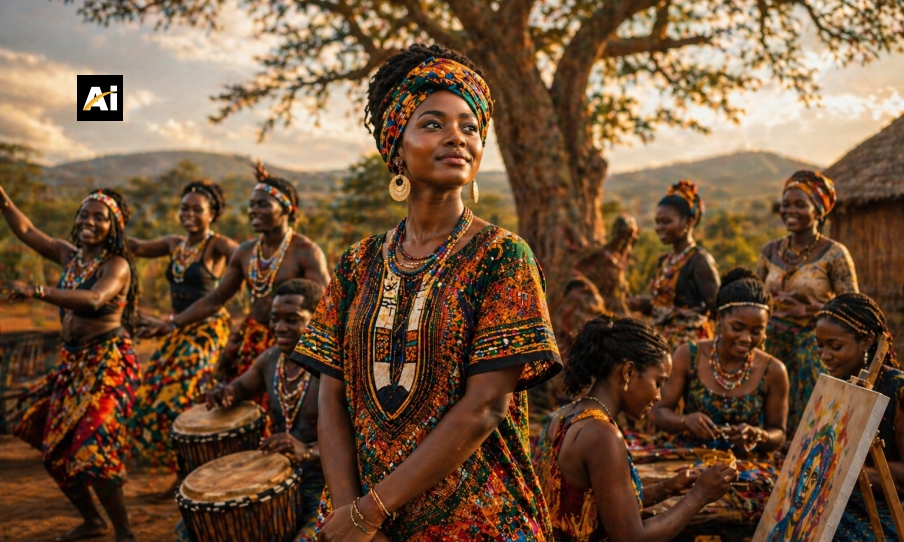
Out here, where voices get ignored, standing tall comes from knowing who you are. Not just surviving but shaping things happens when people keep hold of their ways and speak up on their own terms. Success isn’t only about numbers or buildings – more often, what holds everything together lies beneath the surface. Feeling tied to where you come from changes how you move through the world. That quiet strength? It grows when culture stays alive, not locked away but lived each day.
When cultures grow strong, they resist fading into one uniform way of life. Because connections now span continents, distinct customs, tongues, and ways of thinking could vanish beneath a single worldwide norm. Strength here comes from letting variety play an active role in shaping answers and new ideas – not just treating it as background color. Seeing truth in people’s real stories and pasts builds a denser weave of shared wisdom. People start valuing where they come from when that history matters. That feeling of mattering ties directly to inner balance and steadier communities.
The Meeting of Who We Are and What We Do in Today’s Groups
Starting down the road to real cultural strength means seeing your own story clearly, free from someone else’s version. Wherever empires once ruled or unfair systems took hold, local ways of knowing were often pushed aside, sometimes erased. Because of this, many communities feel split – distant from both heritage and future possibilities. Change shows up slowly when schools start teaching ancestral wisdom alongside science or math. A child spotting familiar symbols in lessons may begin thinking their voice matters too. That quiet moment of recognition? It can grow into confidence, then action.
Moreover, the digital revolution has provided unprecedented opportunities for cultural empowerment on a global scale. Social media and digital storytelling allow communities to bypass traditional gatekeepers and share their stories directly with the world. This democratization of narrative means that a weaver in a remote village or a musician in an urban subculture can find an audience, build a brand, and secure their economic future while remaining true to their heritage. This fusion of tradition and technology creates a sustainable model where culture is not a static relic of the past but a living, breathing asset that evolves alongside the community.
Economic Sustainability Through the Lens of Heritage
One of the most practical applications of cultural empowerment lies in the realm of sustainable development and the creative economy. When communities are empowered to monetize their cultural assets—be it through artisanal crafts, traditional medicine, or eco-tourism—they gain financial independence without sacrificing their identity. This economic facet is crucial because it transforms culture from a vulnerable trait into a powerful engine for growth. By protecting intellectual property and ensuring fair trade practices, we can ensure that the benefits of cultural expression stay within the community that created it.
In addition to direct economic gains, the preservation of traditional ecological knowledge is a vital component of global environmental health. Many indigenous cultures possess deep-seated wisdom regarding land management and biodiversity that modern science is only beginning to appreciate. Cultural empowerment in this sector involves respecting and integrating these ancient practices into contemporary climate strategies. When we empower these communities, we are essentially safeguarding the diverse methodologies required to combat global challenges. It is a partnership where the past informs the future, creating a more resilient planet for everyone involved.
Fostering Social Cohesion Through Mutual Respect
A society that prioritizes cultural empowerment is naturally more inclusive and less prone to the frictions of misunderstanding. By encouraging different groups to express themselves fully, we move away from the “melting pot” ideal—where differences are erased—and toward a “mosaic” model, where every unique piece contributes to a larger, more beautiful picture. This approach requires active listening and the dismantling of prejudices that often cloud our perception of others. It involves creating spaces where dialogue can happen on equal footing, allowing for a genuine exchange of ideas that enriches all participants.
This sense of mutual respect is the ultimate goal of any empowerment initiative. It is not about one culture asserting dominance over another, but rather about creating a world where every individual feels safe to be their authentic self. When people are culturally empowered, they are less likely to feel the need to conform to external pressures, leading to a decrease in social alienation and an increase in collective empathy. This psychological security allows for greater collaboration across borders and boundaries, as people who are secure in their own identity are generally more open to learning about the identities of others.
Moving Beyond Integration Toward True Self Determination
As we look toward the future, the focus must shift from simple integration to total self-determination. This means that cultural empowerment should not be a top-down initiative managed by distant institutions, but a grassroots movement driven by the people themselves. It involves policy changes that protect linguistic diversity, support for community-led arts programs, and the legal recognition of ancestral lands and rights. The objective is to reach a point where every culture has the autonomy to define its own path and the resources to pursue it.
This path forward requires a commitment to continuous learning and an openness to the complexities of human identity. We must recognize that culture is fluid and that empowerment means giving people the freedom to adapt their traditions to the modern world as they see fit. By supporting the structures that allow for this growth, we ensure that the global community remains vibrant, diverse, and capable of addressing the uncertainties of tomorrow. The true measure of our progress will be the extent to which every voice, regardless of its origin, is heard, respected, and empowered to shape the shared human story.