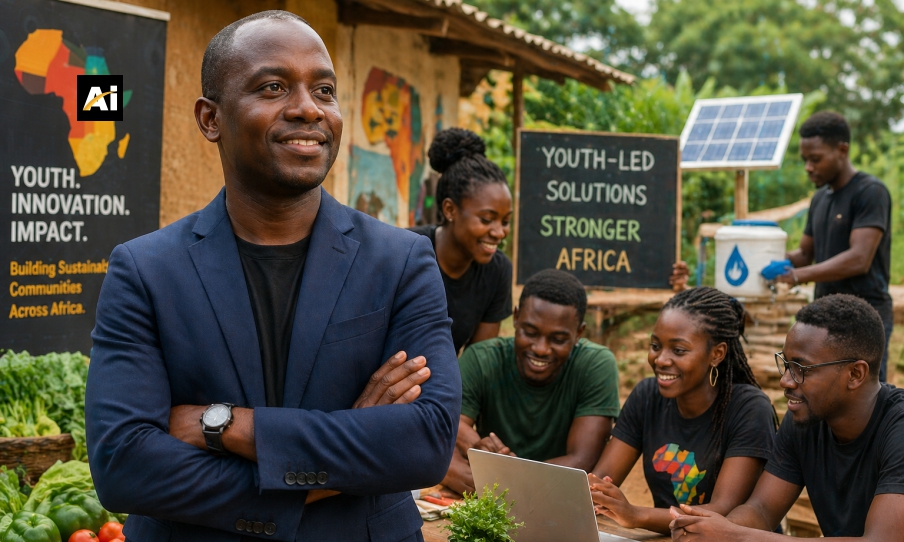
Late mornings find Morris Michael Ojok walking through dusty paths near Bombo, where ideas grow slower than mango trees but stick around longer. He started Tunaweza Innovation Hub alongside two former teachers who believed notebooks could spark more change than speeches.
Young faces now gather there weekly, trading stories about goat farming, mobile repairs, or how water shortages shape their days – then sketch ways to fix them. Instead of lectures, they get time, glue guns, and someone older who listens without judging. Most come from villages where jobs appear once in a lifetime, if at all. A girl might arrive unsure how batteries work, leave months later testing solar lanterns she designed herself.
Support shows up as small loans tucked beside advice, not handed down like rules carved in stone. Prototypes built here cost less than school fees, yet solve real headaches: leaky roofs, broken radios, crops rotting before market day. What spreads fastest isn’t profit, but proof it can be done differently.
What makes Ojok’s approach different? It hands control to the community. Young people there do more than show up – they help shape workshops, tackle real-world business problems, and lead outreach efforts. From that base, the Tunaweza Hub has helped launch many startups led by young minds.
These ventures work in fields like farming tech, renewable power, energy solutions, and online content creation. Some already reach nearby rural spots and growing town centers. Lately, continental gatherings and leader spotlights have started naming Ojok among Africa’s fresh wave of creators. People who mix smart tools with purpose and deep roots in their culture. That shift didn’t come from nowhere.