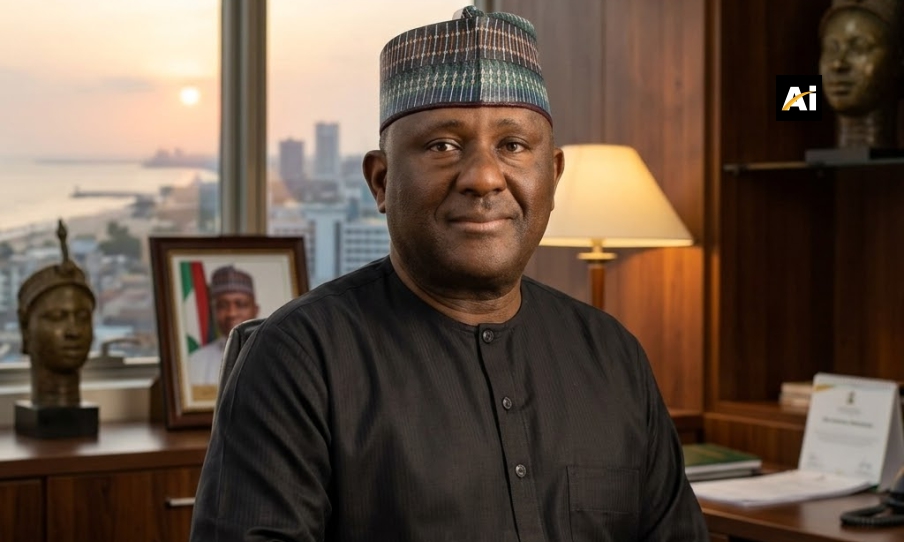
Born in Kano, Abdul Samad Rabiu launched BUA Group back in 1988 – since then, the company grew far beyond early expectations. By 2026, his influence stretched deep into West Africa’s economy through massive investments in factories and transport networks. Cement pours out of his production lines by the million tons each year, meeting much of Nigeria’s demand without needing foreign shipments. Instead of waiting for outside supplies, local builders now rely on homegrown materials that keep prices more stable. Alongside cement, sugar refineries and flour mills expanded under the same umbrella, forming an industrial web tied together by roads, ports, and storage hubs. Real estate ventures followed, shaping city skylines where new buildings rise near processing zones. Not everything started smoothly; challenges popped up regularly, yet growth continued regardless. Today, few private firms in Nigeria match the scale of what Rabiu assembled over three decades. The impact shows not just in profits but in jobs, infrastructure, and reduced import pressure across key sectors.
Lately, Rabiu’s been pushing hard into big construction ventures – think new cement plants built from nothing, upgraded sugar processing hubs, along with full-cycle farming complexes sparking waves of employment across several sectors. Instead of staying local, his company BUA now stretches into nearby nations like Benin and Ghana, using joint logistics networks and regional commerce flows to stay active. On another track entirely, he launched ASR Africa, a funding body aimed at lifting up community-driven efforts in healthcare, schooling, and long-term societal growth throughout Nigeria and beyond.
Out past hopes mirror a changing Africa, where making things at home matters more each day. Leaders across nations now lean on building their own factories and roads to rely less on what comes from abroad. With time, they aim to steady economies that have wobbled too often. Rabiu pushes this idea hard – earnings should feed future strength, not quick rewards today. Growth in cities and people means demand will rise fast. His work in concrete, turning crops into food, and moving goods fits right inside this wave. Homes need foundations. Roads stretch further every year. Cities push outward. All of it ties back to choices made now. Quietly, steadily, he stands out among those shaping the continent’s path through these times.
Read Also : Flutterwave CEO Agboola Leads African Fintech Expansion in 2026