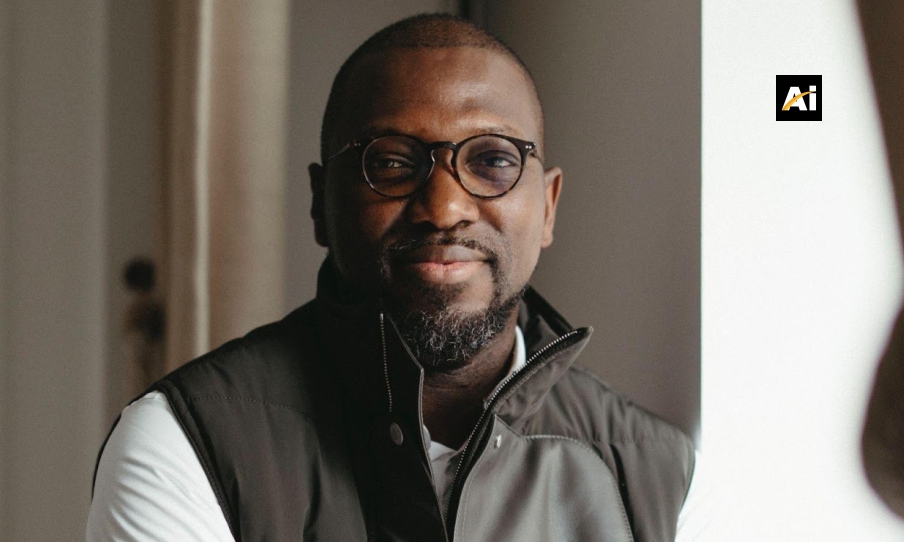
Heading into 2026, Olugbenga “GB” Agboola leads Flutterwave with eyes on profit and worldwide reach. This Nigerian firm handles payments across more than thirty African nations. Big names like Uber and Microsoft rely on it for local operations. Transaction volume has crossed two hundred million, totaling above sixteen billion dollars. With backers paying closer attention to per-unit performance, the company trimmed expenses while lifting profit margins. Growth didn’t stall – enterprise activity jumped about half again. Now, balance matters more than speed alone. Profitability shapes decisions once driven only by expansion. A shift took root: smarter spending over relentless scaling.
Midway through 2026, Agboola dives into dual ambitions – trade routes that leap national borders and digital money built for Africa first. Though quiet at first, Flutterwave’s path into Asia now pulses with movement, linking shopkeepers across Africa to suppliers in China via quicker payouts and smoother steps. Instead of waiting months, paperwork gives way to speed; transactions land faster than before. On another front, a homegrown stablecoin takes shape – one meant to spread wide, beginning with big companies then slipping into everyday storefronts, shifting how cash flow rides between nations. Behind it all, the tech foundation grows tighter after swallowing Mono whole – a Nigerian firm whose tools let systems talk bank-to-bank, verify who you are, confirm identities deep within rules – and now lives inside Flutterwave like bones in flesh.
Now seen as key digital groundwork, regulators have handed Flutterwave fresh permits while naming Agboola a trailblazer in African fintech. A possible American stock debut looms. Observers suggest if Flutterwave goes public successfully, it might shape how future African startups are priced. By 2026, for Agboola and those beside him, the goal isn’t noise or spectacle – instead, showing a homegrown tech firm can thrive financially while staying rooted in daily life across Africa.