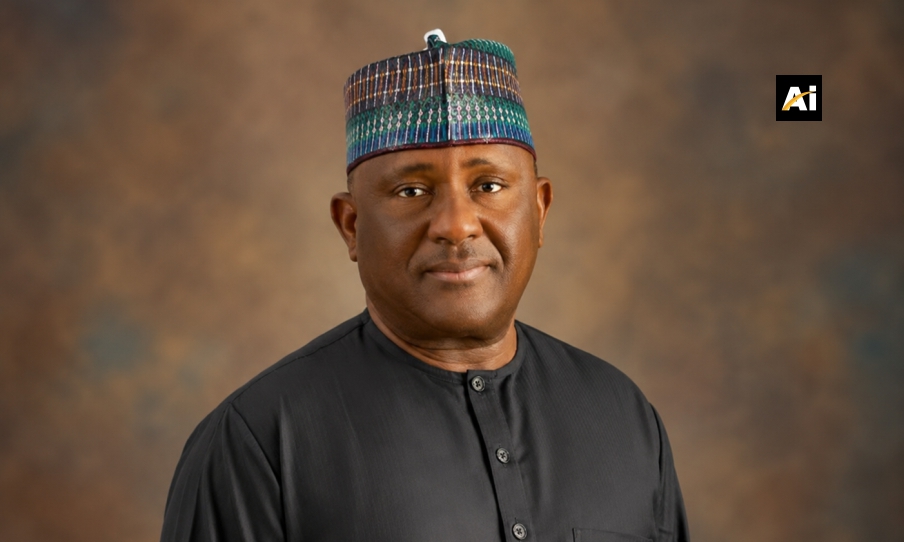
Born in Kano, Abdulsamad Rabiu built BUA Group into a force few can ignore. Now stretching deep into East Africa, his empire grows not by chance but through factories that make what others used to import. Cement pours from new plants he set up where shortages once slowed cities down.
Sugar flows just as steadily from refineries rising in industrial zones. Instead of waiting for foreign ships, shelves fill with goods made at home. Buildings go up faster because materials come from nearby, not overseas. Real estate developments rise alongside these industries like shadows following light. Packaging units hum beside them, closing loops most companies leave open. Backward integration isn’t a phrase tossed around – it shows up in pipelines and rail lines feeding mills daily.
Local production powers growth now, quietly replacing old dependencies. From Lagos to Kampala, demand meets supply on roads paved with long-term bets. Factories stand where plans once stalled, proof of follow-through. Each ton of cement sold means less imported dust clouding ports. Value stays within borders longer than before. Rabiu’s name surfaces often when people talk about who shapes African industry today.
From the start, Rabiu puts weight behind sourcing within Africa and growing skills at home to fuel expansion. Instead of chasing distant suppliers, he taps into locally educated workers while relying on nearby resources. His company’s property ventures mix spaces for factories with areas meant for low-cost homes. Because of this, work zones sit alongside living neighborhoods, linked by transport centers that connect both. Now ranked among Africa’s wealthiest figures, observers note how his efforts feed major construction surges across nations. Growth follows wherever his model takes root, especially in regions needing jobs and modern frameworks.