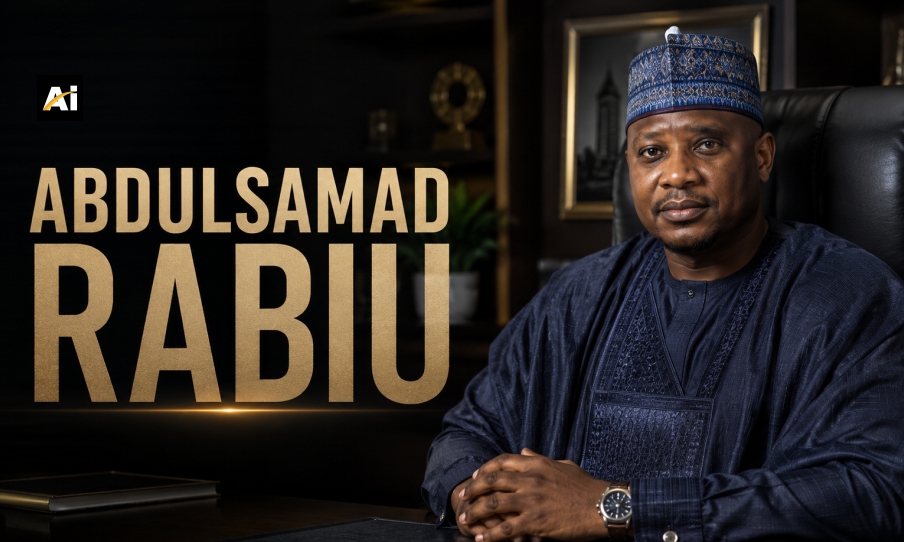
Africa’s economy is changing fast, now focusing less on foreign products but more on making tough machinery at home. Leading this big shift stands one determined figure reshaping how local empires are built. A well-known business mind from Nigeria, Abdulsamad Rabiu shows clearly where lasting money comes from – turning raw materials into finished goods, linking nearby markets tightly together, building systems that stand strong alone.
Starting at the bottom, then rising through varied ventures, he now stands among the world’s wealthiest. Entire industries – housing, building materials, even how people eat – have shifted because of moves he made quietly over years. His path, marked by sharp timing rather than loud announcements, reveals what focused local insight can do when paired with steady execution. Lately, new wins have widened that impact, stretching into areas once thought too tough to change. Watching where he turns next shows more than success – it sketches a different shape for enterprise across the continent.
Legacy Roots to Broad Industrial Reach
Decades back, the roots of this vast business network took hold, shaped by generations of kin who thrived in buying and selling goods. Born into a lineage of shrewd traders, Abdulsamad Rabiu launched BUA Group near the end of the 1980s, starting with shipments of daily staples – rice, cooking oil, wheat powder, along with raw materials like iron ore. Yet, dealing only in imports wasn’t what drove him; long-term vision pulled him beyond mere transactions.
He shifted hard toward homegrown production after seeing how imports could shake local markets during overseas disruptions or money shifts. Instead of relying on foreign goods, factories started rising under his direction – sugar processing first, then farms, docks, buildings, later giant plants making heavy machinery. Year by year, what began as a small trade operation grew teeth, turning into something far stronger. That path – from buying and selling to building and producing – soon became a model others followed across the region.
Driving Infrastructure Growth Through Localized Cement Production
Perhaps the most visible and impactful sector dominated by this industrialist is the infrastructure and construction space. For a developing nation, cement serves as the absolute lifeblood of physical expansion, urban development, and structural connectivity. Recognizing this severe structural necessity, Abdulsamad Rabiu steered his corporate strategy directly into high-capacity cement manufacturing.
Today, his flagship cement subsidiary has firmly established itself as Nigeria’s second-largest producer, boasting an annual production capacity that numbers in the tens of millions of tons. The immense financial success of this division, characterized by surging valuations and robust demand, has been the primary driver behind his personal fortune hitting unprecedented historic peaks. By aggressively localizing production and constructing state-of-the-art manufacturing plants, his operations have helped stabilize supply, lower regional infrastructural hurdles, and create thousands of direct and indirect employment opportunities.
Securing Food Systems and Driving Corporate Excellence
Beyond building the literal foundations of the region through cement, the billionaire has made equally historic strides in securing the domestic food supply chain. The food division of his conglomerate has evolved into an absolute financial juggernaut, capturing massive market share in consumer staples, flour milling, pasta production, and large-scale sugar refining. By streamlining agriculture and processing pipelines domestically, the group has successfully insulated local consumers from severe global food market instability.
This sustained corporate excellence across both the food and infrastructure sectors did not go unnoticed by the international business community. In mid-2026, Abdulsamad Rabiu was officially honored as the prestigious CEO of the Year at the Africa CEO Forum held in Kigali. This massive recognition highlighted his unique ability to drive immense corporate profitability while simultaneously maintaining a sharp focus on long-term sustainable transformation and deep social impact.
Overcoming Structural Hurdles and Unlocking Africa’s True Scale
Despite achieving staggering global success, operating at such an immense scale across a fragmented continent comes with heavy structural friction. Abdulsamad Rabiu has been a highly vocal advocate for deeper regional integration, calling out the inconsistent implementation of major trade frameworks like the African Continental Free Trade Area. He frequently speaks on the immense challenges that internal corporate actors face, ranging from restrictive visa regimes to overlapping regulatory requirements and segmented legal frameworks.
According to his vision, the true next phase of transformation will fully rely on five key pillars: capital, policy, infrastructure, value addition, and seamless integration. He firmly believes that while the continent possesses unlimited natural resources and immense potential, it is the concrete on-the-ground execution of cross-border trade that will ultimately deliver a globally competitive economic powerhouse.
Altruism and a Lifelong Dedication to Sustainable Development
True leadership is measured by what a person gives back to society, and in this regard, the industrialist stands completely distinct. Through his dedicated foundation and his massive multi-million-dollar annual commitment via the Abdul Samad Rabiu Initiative for Africa, he has continuously poured immense resources directly back into the continent’s social fabric. This massive philanthropy focuses primarily on strategic interventions across public healthcare, tertiary education systems, and critical social infrastructure.
Whether it is constructing specialized pediatric wards at teaching hospitals, funding advanced university research centers, or backing regional development grants, his philanthropic philosophy mirrors his core business methodology. He does not believe in temporary, superficial fixes. Instead, Abdulsamad Rabiu chooses to fund structural, lasting solutions that actively empower local communities, nurture the next generation of human capital, and leave behind an enduring legacy of sustainable prosperity for generations to come.